UV curing equipment typically produces two main types of exhaust: ozone and volatile organic compounds (VOCs). So how to effectively deal with the waste gas generated by UV curing equipment?
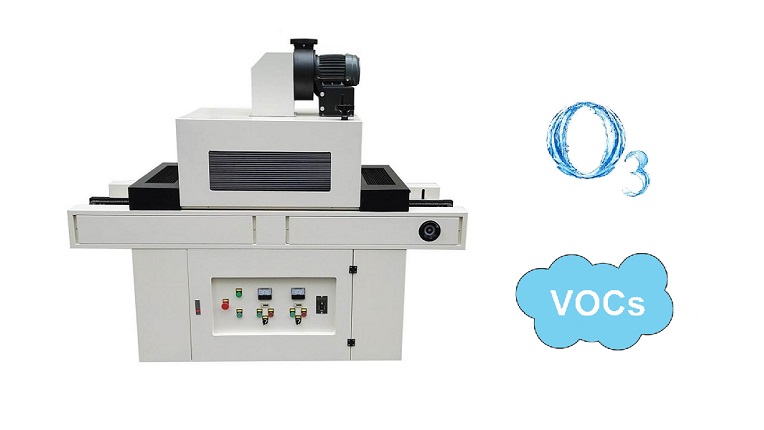
1. Ozone: A certain amount of ozone will be generated during UV curing. Ozone is a gas with pungent odor and strong oxidizing ability. Methods for dealing with ozone include:
- Degrade it with an ozone decomposer or ozone catalyst.
- Provide proper ventilation around UV curing equipment so that ozone is vented outside instead of accumulating indoors.
2. VOCs: Materials such as coatings and inks used in the UV curing process may contain volatile organic compounds, which are volatilized during the curing process. Methods to deal with VOCs include:
- Capture VOCs using exhaust gas collection systems and send them to air treatment units such as activated carbon filters or catalytic combustion units for treatment.
- Optimize process parameters and material selection to reduce the generation and release of VOCs.
- Implement a closed production environment or a local exhaust system to reduce the concentration of VOCs accumulated indoors.
It is necessary to select and implement a suitable exhaust gas treatment method according to the specific situation and local regulations. Professional environmental engineers or relevant agencies should be consulted to evaluate and design exhaust gas treatment systems.



 1. Ozone: A certain amount of ozone will be generated during UV curing. Ozone is a gas with pungent odor and strong oxidizing ability. Methods for dealing with ozone include:
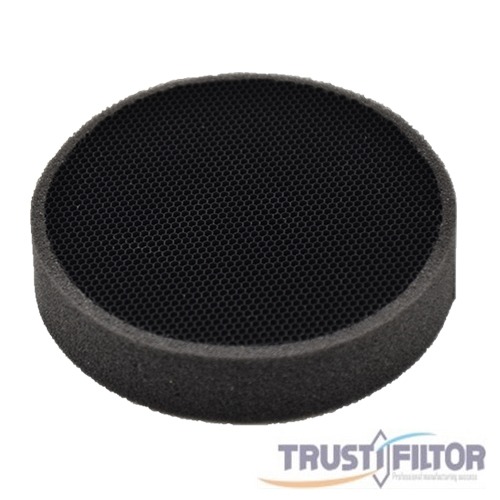 Why do factories producing oral medical devices need ozone removal filter tubes?
 Types and characteristics of air purifier filters
 Introduction to microporous aluminum honeycomb core
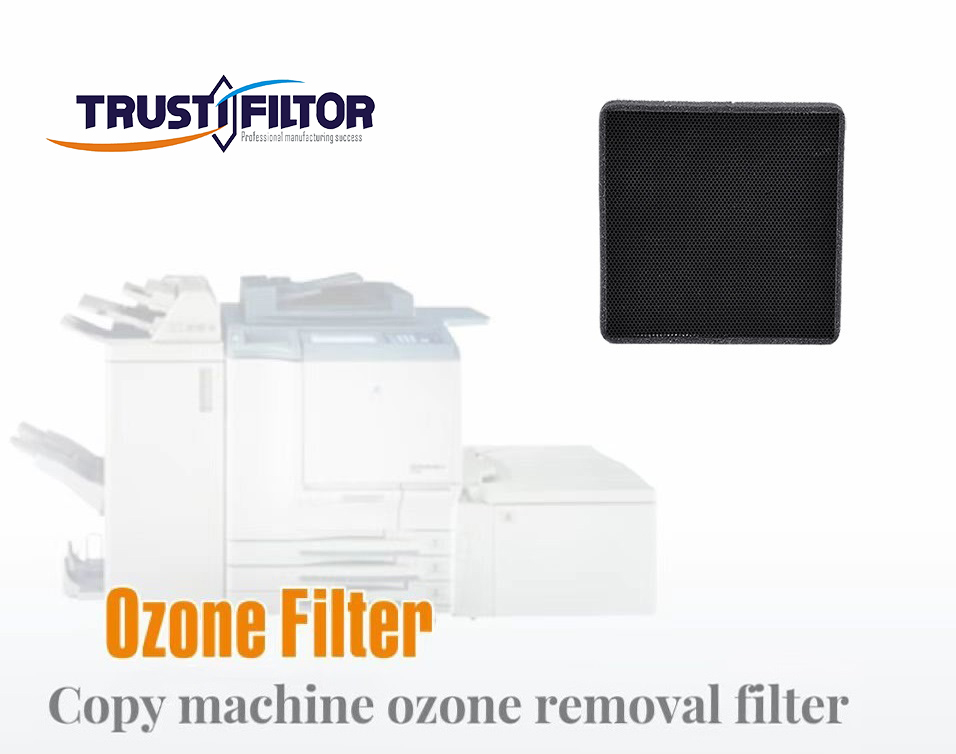 What operations should be avoided to control ozone in copiers


