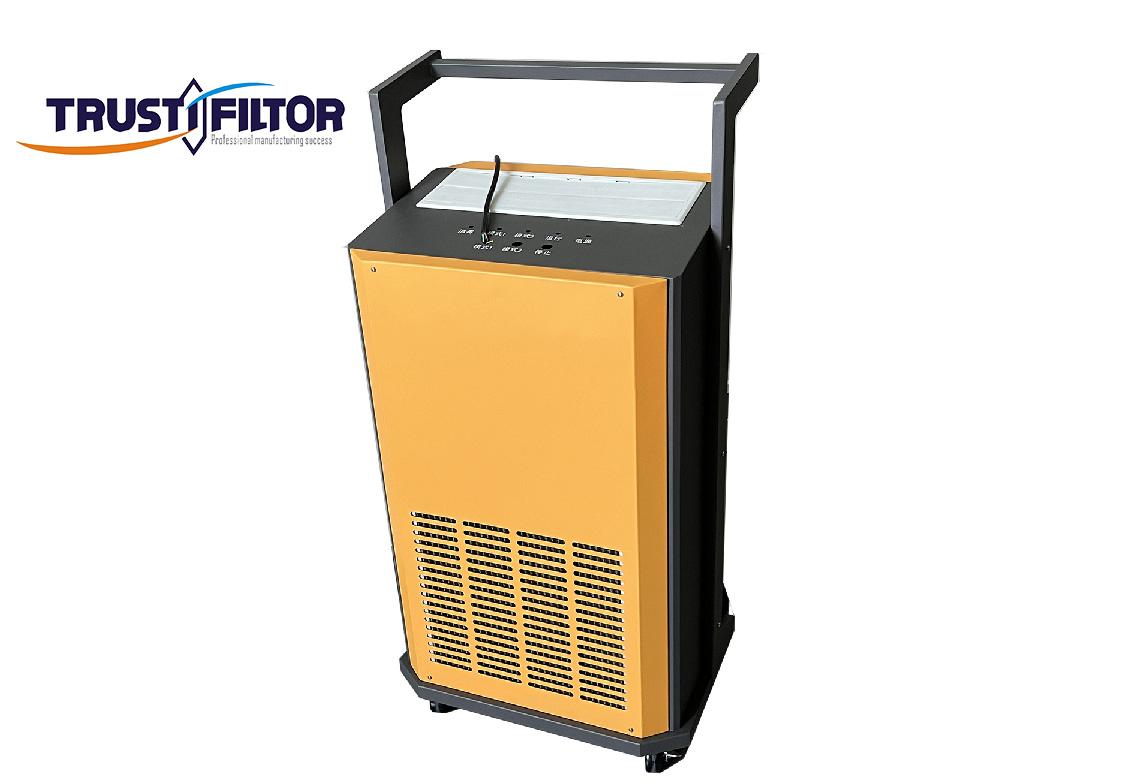
 How does an air purifier perform ozone safety testing?
The national mandatory standard GB4706.45-2008 "Special Requirements for Safety Air Purifiers for Household and Similar Electrical Appliances" clearly states in Section 32 "Radiation, Toxicity and Similar Hazards" that the concentration of ozone generated by the ionization device should not exceed the specified requirements. Compliance is checked by the following test.
The test is carried out in a closed room, the size of which is 2.5m×3.5m×3.0m. The room is kept at a temperature of 25°C and a relative humidity of about 50%, and the air purifier is energized at the rated voltage for 24 hours. If it is unfavorable to remove the filter, the filter should be removed.
The ozone sampling tube is set at a position 50mm away from the outlet of the air purifier. At the beginning of the test, the background ozone concentration is measured first, and then the background ozone concentration is subtracted from the maximum concentration measured in the test. The percentage of ozone concentration should not exceed 5×10⁻⁶. (Note, no more than 0.05ppm. About 0.1mg/m3)
At present, many air purifier manufacturers and testing institutions have not conducted ozone safety testing of air purifiers in accordance with the above-mentioned national mandatory standards.
US UL standard puts forward zero ozone requirements for air purifiers
UL is the abbreviation of Underwriter Laboratories Inc. UL Safety Testing Institute is the most authoritative institution in the United States and is also the institution engaged in safety testing and appraisal in the world. UL certification is an independent, for-profit professional organization that conducts tests for public safety. After nearly a hundred years of development, UL has become a world-renowned certification body. In 2019, the US UL standard put forward zero ozone requirements for air purifiers.



 How does an air purifier perform ozone safety testing?
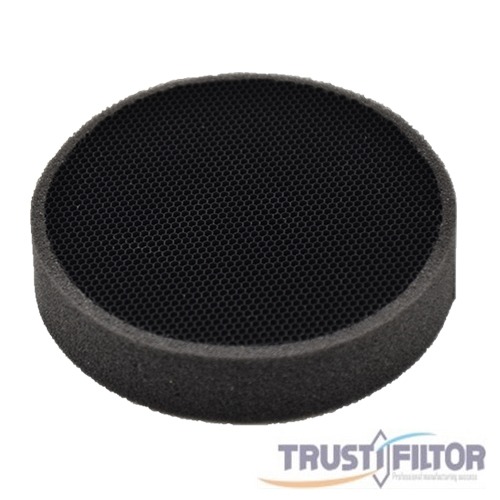 Why do factories producing oral medical devices need ozone removal filter tubes?
 Types and characteristics of air purifier filters
 Introduction to microporous aluminum honeycomb core
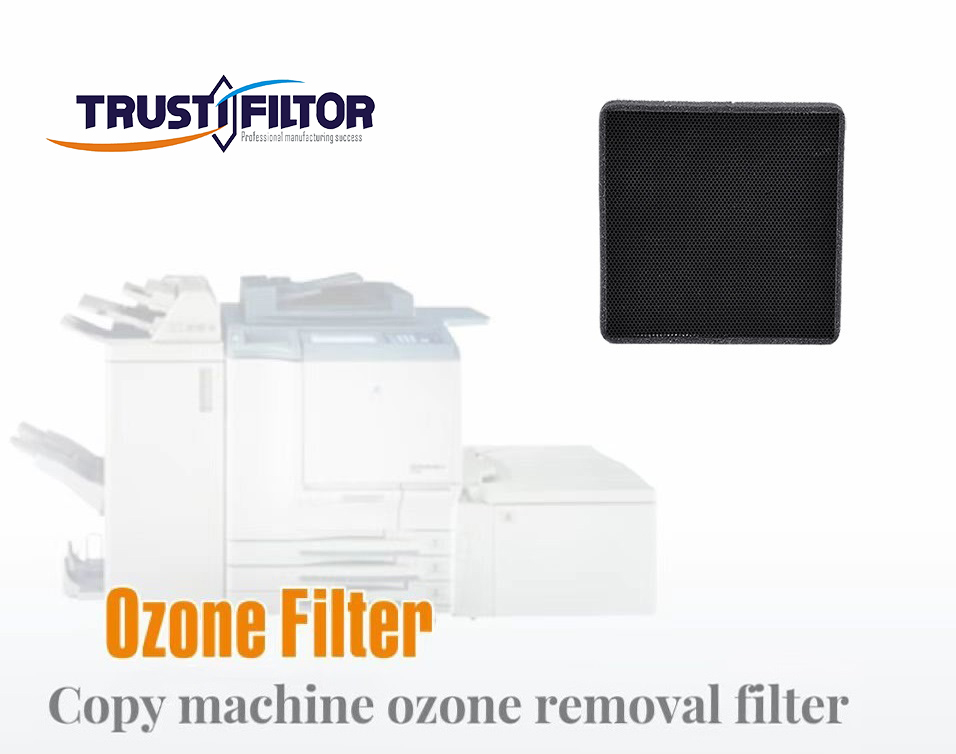 What operations should be avoided to control ozone in copiers


